Vacuum Cleaner Smells Burning? Causes, Fixes and Safety Checks
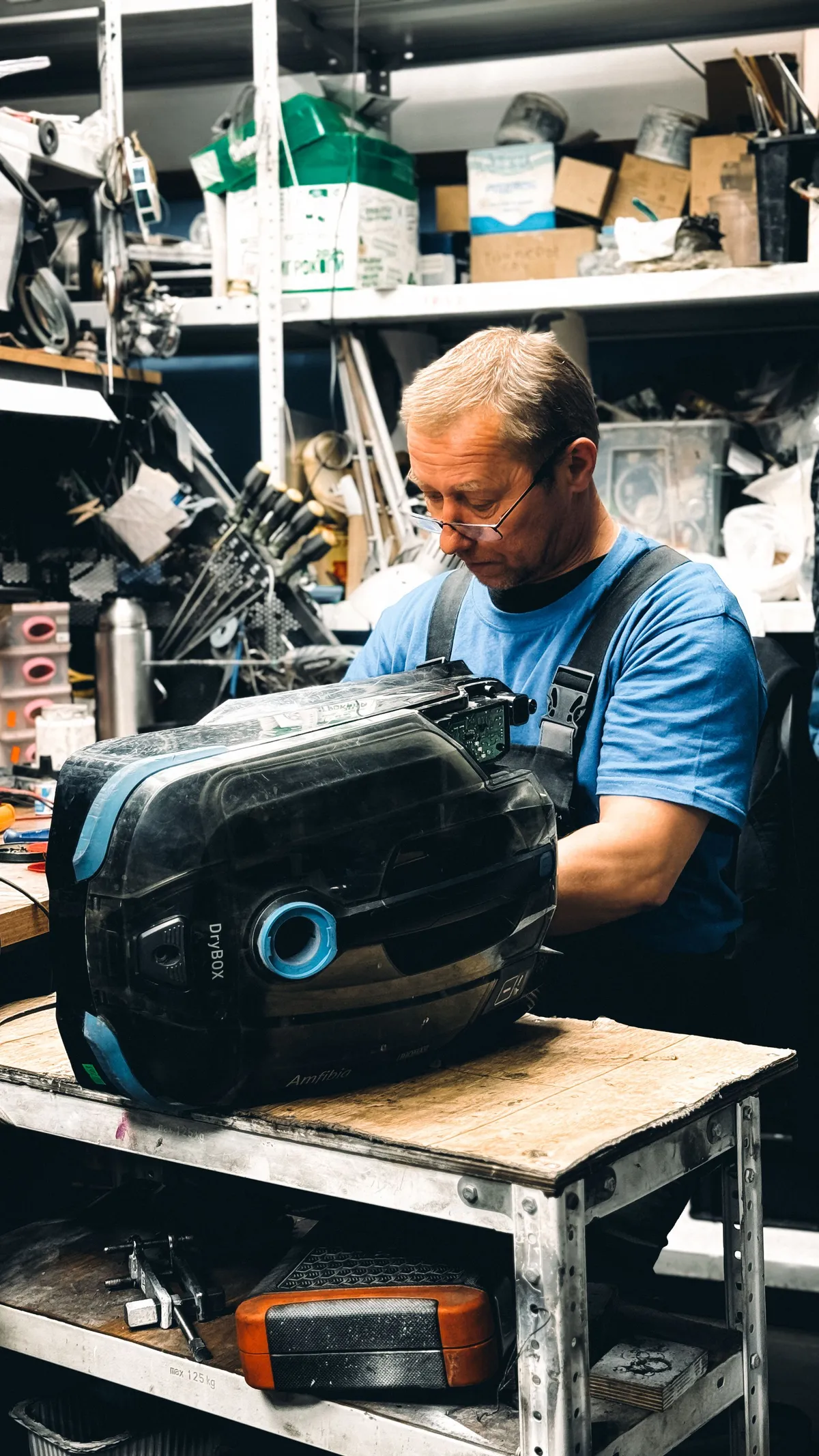
A burning smell from a vacuum cleaner is usually caused by a worn or jammed drive belt, restricted airflow from a full bag or clogged filter, or a jammed brush roll — all of which are checkable and often fixable at home. A sharper, plasticky or electrical smell, sparking, or a hot plug or socket points to a more serious motor or wiring fault and means you should switch the vacuum off and get it checked by a professional rather than keep using it.

A burning smell from a vacuum cleaner is almost always caused by friction or heat building up somewhere it shouldn't — a slipping drive belt, a clogged filter restricting airflow, or, less often, a motor or electrical fault. Some causes are a five-minute fix; others mean switching the vacuum off and leaving it alone. This guide walks through how to tell the difference, what to check first, and when a burning smell means you should stop using the machine rather than keep troubleshooting it yourself.
Is it dangerous if my vacuum smells burning?
It can be, so treat any burning smell as a reason to stop and investigate rather than something to mask with air freshener and ignore. UK product-safety guidance from Electrical Safety First on vacuum cleaners advises that if you notice a burning smell, sparking, cracks or damage, or unusual noises, you should switch the appliance off immediately and contact the retailer or manufacturer rather than keep using it.
In practice, the two smells point to different levels of concern. A faint, rubbery smell from a worn belt is unpleasant but rarely an immediate hazard — you can safely stop the vacuum, let it cool, and check it yourself. A sharper smell of hot plastic, scorching, or wiring, especially alongside sparking, smoke, a hot plug or socket, or an unusual noise, is more serious: unplug the vacuum straight away and don't use it again until it has been checked by a professional or the manufacturer. Vacuum cleaner fires are uncommon in properly maintained appliances, but blocked airflow and motor overheating are recognised fire-risk factors for household vacuum cleaners, which is why manufacturers and safety bodies treat a burning smell as a stop-and-check signal rather than something to work around.
What causes a vacuum cleaner burning smell
Whether you call it a vacuum, a hoover, or a specific type like a cylinder, upright, cordless stick or robot vacuum, most burning smells trace back to one of four things:
- A worn, slipped, or jammed drive belt — friction against the motor pulley or brush roll housing produces a sharp, rubbery burnt smell. This is the single most common cause on belt-driven uprights and cylinder vacuums.
- Restricted airflow — a full bag or bin, a clogged filter, or a blocked hose forces the motor to work harder and run hotter than it's designed to.
- A jammed brush roll — hair, thread, or debris wrapped tightly around the brush bar stops it turning freely, which drags on the belt and produces the same rubbery smell.
- A motor or electrical fault — worn motor brushes, failing bearings, or a wiring problem produce a hotter, more acrid plastic or electrical smell rather than a rubbery one. This is the most serious cause and the hardest to fix without specialist tools.
Cordless stick vacuums and robot vacuums are usually beltless, so belt-related causes mostly don't apply to them; airflow restriction, brush roll jams, and motor or battery-related overheating are the more relevant causes for those types.
Burnt rubber smell: check the belt and brush roll first
If the smell is distinctly rubbery, start here — it's the most common cause and usually the easiest to fix on belt-driven uprights and cylinder vacuums:
- Switch off and unplug the vacuum, then let it cool for at least 30 minutes before touching the brush roll area.
- Turn the vacuum over and remove the base plate or brush roll cover (check your manual, since the method varies by model).
- Look for hair, thread, or fibres wrapped around the ends of the brush roll — the most common cause of a jammed roll and a burnt belt. Cut and pull away anything wound tightly around it.
- Check the belt itself. It should be intact, not stretched loose, snapped, or glazed and shiny (a sign it has been slipping). A stretched or snapped belt needs replacing; most manufacturers sell official replacement belts by model number.
- Once it's clear, spin the brush roll by hand. It should turn freely with no resistance or grinding.
If the belt looks fine and the brush roll spins freely but the smell persists, the cause is more likely airflow or motor-related rather than the belt.
Vacuum motor burning smell: airflow, overheating, and when it's more serious
A hotter, more acrid or plasticky smell — especially one that doesn't clear up after checking the belt — usually points to the motor being forced to work harder than it should:
- Check the bag or dustbin. A full bag or bin restricts airflow and makes the motor strain to maintain suction, which raises its temperature. Empty it well before it's completely full, not just once it stops picking things up.
- Check and clean the filters. A caked or clogged filter (pre-motor and post-motor or HEPA filters, where fitted) is one of the most common causes of an overheating motor smell. Follow the manufacturer's instructions, since some filters are washable and some need periodic replacement rather than washing.
- Check the hose and pipes for blockages. A blocked hose forces the motor to work against resistance. Detach the hose and check along its full length for obstructions.
- Give it a rest. Running any vacuum continuously for long stretches, especially older or lower-powered models, can cause overheating even with clean filters. Most vacuums are designed for cleaning in bursts rather than marathon sessions, so let it cool between rooms during a big clean.
If you've cleared blockages, cleaned the filters, and emptied the bin, and the burning smell continues or comes back quickly, that points toward worn motor brushes, failing bearings, or an electrical fault inside the motor housing — sometimes described as a burnt-out motor smell. This isn't a straightforward DIY fix for most people; it usually means a professional repair, or on an older or budget model, weighing repair cost against replacement.
When to stop using your vacuum immediately
Stop, unplug (or remove the battery on a cordless model), and don't restart the vacuum if you notice any of the following:
- Sparking, smoke, or visible scorch marks on the vacuum, plug, or cable
- A plug or socket that feels hot to the touch, or makes a buzzing or crackling ("arcing") sound
- A burning smell that's sharp, acrid, or plasticky rather than a mild rubbery odour
- A fuse blows or a circuit-breaker trips when you use the vacuum
- The vacuum was recently dropped or got wet before the smell started
In any of these cases, have the vacuum checked by a qualified repair technician or the manufacturer before using it again, rather than continuing to troubleshoot it yourself. This is standard safety guidance for household electrical appliances generally, not something specific to one vacuum brand.
How to prevent burning smells in future
Most burning-smell callouts are preventable with routine maintenance rather than being caused by a manufacturing fault:
- Empty the bag or bin regularly, ideally before it's completely full.
- Clean or replace filters on the schedule set out in your manual — see our guide to cleaning a vacuum filter.
- Check the brush roll for wrapped hair and thread every few uses, especially in homes with pets or long hair.
- Check hoses and pipes for blockages if suction feels reduced; our guide to a vacuum cleaner that's lost suction covers this in more detail, since reduced suction and burning smells often share the same root cause.
- Avoid running the vacuum continuously for extended periods in one session.
- Inspect the plug and cable for damage before each use, and keep the vacuum unplugged when not in use.
For a broader maintenance routine covering filters, brush rolls, and general upkeep, see our guide on vacuum cleaner maintenance. If your vacuum has also stopped switching on or keeps cutting out, those are related but separate faults covered in our guides to a vacuum cleaner that won't turn on and a vacuum cleaner that keeps stopping, since some models are designed to cut out automatically as a protection against overheating.
Repair or replace?
Belt and brush roll fixes are usually inexpensive and something many people can do themselves with a replacement belt. A confirmed motor fault is a different calculation: repair costs for a burnt-out motor can be close to, or more than, the price of a new mid-range vacuum, particularly on older or budget models. If your vacuum is several years old, out of warranty, and a repair quote for motor work is significant, it's worth comparing that cost against a replacement rather than assuming a repair is automatically cheaper. If you're at that stage, our guide on how to choose a vacuum cleaner covers what to look for, or you can compare vacuum cleaners by need and budget to see current options across pet hair, allergies, budget and other priorities.
This guide describes commonly documented causes of vacuum cleaner burning smells and general UK electrical-appliance safety practice. It isn't a substitute for your specific manufacturer's instructions and doesn't cover every fault a vacuum can develop. If you're ever unsure whether a smell, sound, or spark is safe to investigate yourself, treat it as unsafe and get the appliance checked by a qualified professional before using it again.
Why does my vacuum cleaner smell burning?
The most common cause is a worn or slipping drive belt rubbing against the motor pulley, which produces a sharp, rubbery smell — the single most common cause on belt-driven uprights and cylinder vacuums. A jammed brush roll, often caused by hair or thread wrapped around it, drags on the belt and creates the same odour. Restricted airflow from a full bag, a clogged filter, or a blocked hose forces the motor to work harder and run hotter, which is the more relevant cause on cordless stick and robot vacuums, since those are usually beltless. A less common but more serious cause is a fault in the motor or wiring itself, which produces a hotter, more acrid, plasticky smell rather than a rubbery one.
Is it dangerous if my vacuum smells burning?
It can be, which is why UK safety guidance from Electrical Safety First recommends switching the vacuum off and investigating rather than continuing to use it if you notice a burning smell, sparking, cracks, or unusual noises. A mild, rubbery smell usually traces back to a worn or slipping drive belt or a jammed brush roll dragging on it — a lower-risk cause you can safely check yourself once the machine has cooled. A sharper smell of hot plastic or wiring, especially alongside sparking, smoke, a hot plug or socket, or a fuse blowing, points to a motor or electrical fault instead, and is more serious: unplug the vacuum immediately and have it checked by a professional or the manufacturer before using it again.
Why does my hoover smell burning?
"Hoover" is simply a common UK term for a vacuum cleaner, and the underlying causes are the same regardless of brand or name: a worn or slipping drive belt rubbing against the motor pulley, a jammed brush roll wrapped in hair or thread, restricted airflow from a full bag, dirty filter, or blocked hose, or, less often, a motor or electrical fault. The rubbery smell from a belt or brush roll issue is the most common and easiest to check yourself — switch off, let it cool, and inspect the brush roll and belt for wear or debris. A hotter, more acrid or plasticky smell that persists after checking those parts points toward the motor itself, which usually needs a professional repair rather than a DIY fix.
What does a burnt vacuum belt smell like compared to a burnt motor?
A burnt belt typically produces a sharp, rubbery smell caused by friction against the motor pulley or brush roll housing, and is usually accompanied by a belt that looks stretched, glazed, or shiny once you inspect it. A burnt motor produces a hotter, more acrid or plasticky smell, often described as an electrical smell, and tends to persist even after you've cleared blockages, cleaned the filters, and emptied the bin — unlike a belt smell, which usually clears once the belt or brush roll issue is fixed. The motor smell is the more serious of the two: it often points to worn motor brushes, failing bearings, or a wiring fault, and usually needs a professional repair rather than a simple DIY check.
Can I keep using my vacuum if it smells burning?
No — stop and switch it off first, then let it cool before investigating further. If the cause turns out to be a simple belt or blockage issue, such as a jammed brush roll, a full bag, or a clogged filter, and there's no sparking, smoke, or hot plug, you can usually fix it yourself and resume use safely. If the smell is sharp, acrid, or plasticky rather than mildly rubbery, or you notice any other warning sign — sparking, a hot socket, a blown fuse, or the vacuum having recently been dropped or got wet — don't use it again until it's been checked by a professional or the manufacturer, since that points to a more serious motor or electrical fault.
How do I know if my vacuum motor is burnt out?
A burnt-out motor typically produces a persistent, hot, acrid or plasticky smell — distinct from the sharp, rubbery smell of a worn belt — that returns even after you've cleared hose blockages, cleaned the pre-motor and post-motor filters, and emptied the bag or bin. It may also come with reduced suction, unusual noise, or the motor cutting out. Because this cause is harder to fix without specialist tools than a belt or brush roll issue, confirming a genuine motor fault usually requires a professional inspection rather than a DIY check. Worn motor brushes, failing bearings, or a wiring problem inside the motor housing are the specific faults behind this smell, and on an older or budget vacuum, repair costs can be significant enough to weigh against simply replacing the machine.
How do I stop my vacuum cleaner smelling burning in future?
Empty the bag or bin regularly, ideally before it's completely full, since a full bag restricts airflow and makes the motor run hotter. Clean or replace filters on the manufacturer's schedule, since a caked or clogged filter is one of the most common causes of an overheating motor smell. Check the brush roll for wrapped hair and thread every few uses, especially with pets or long hair in the house, and check hoses and pipes for blockages if suction feels reduced. Avoid running the vacuum continuously for long stretches, since most machines are designed for cleaning in bursts rather than marathon sessions, and inspect the plug and cable for damage before each use. Together these habits address the belt friction, airflow restriction, and overheating causes that produce most burning smells.