Best Vacuum Cleaner for Allergies: What Actually Helps
There's no single best vacuum cleaner for allergies, but two specifications matter more than brand or price: genuine HEPA-grade filtration and a sealed system that stops dust-laden air escaping before it reaches the filter. In our catalogue, HEPA filtration is documented on models from £89.99 (bagged) to £999.99 (robot), spanning AEG, Bosch, Dyson, Miele and Numatic Henry, but a confirmed sealed system is only recorded for around half of them — where it isn't confirmed, this guide says so rather than assuming it. A vacuum cleaner is one part of managing household dust and allergens, not a treatment for asthma or allergic symptoms.
Compared by verified specification — see how we compare.
11 vacuums match
- Best For: Allergies & Asthma
11 vacuums match
- Best For: Allergies & Asthma
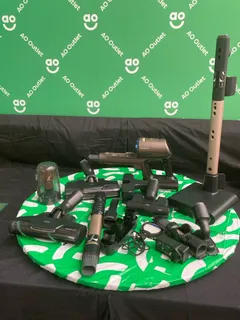
AEG
AEG 8000 Series Cordless Vacuum Cleaner (AP81A25ULT)
£129.00
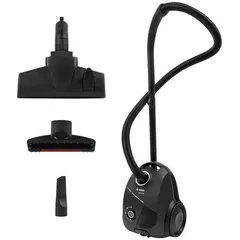
Bosch
Bosch Series 2 ProEco Bagged Cylinder Vacuum Cleaner (BGBS2BA1GB)
£89.99
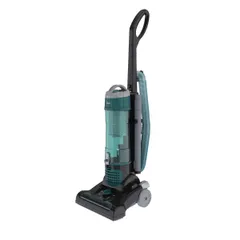
Hoover
Hoover Breeze Evo Upright Vacuum Cleaner (TH31BO01)
£89.99
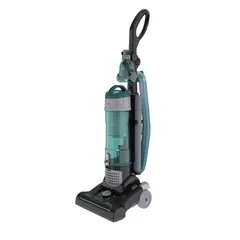
Hoover
Hoover Breeze EVO Pets Upright Vacuum Cleaner, 850W Lightweight Corded Bagless Pet Hair Vacuum, 3L Bin, 4.5m Hose, Pet Tool
£79.00
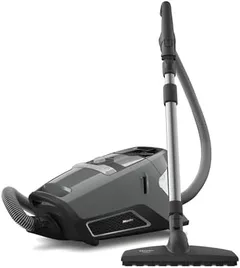
Miele
Miele Blizzard CX1 Cat & Dog Flex Bagless Cylinder Vacuum Cleaner
£499.00
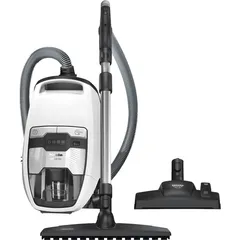
Miele
Miele Blizzard CX1 Comfort XL Bagless Cylinder Vacuum Cleaner
£449.00
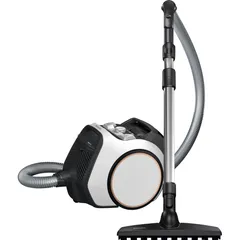
Miele
Miele Boost CX1 Parquet PowerLine Bagless Cylinder Vacuum Cleaner
£229.00
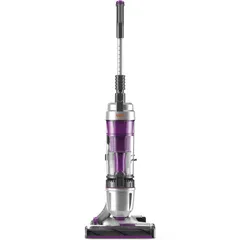
Vax
Vax Air Stretch Pet Max Corded Upright Vacuum Cleaner
£79.99
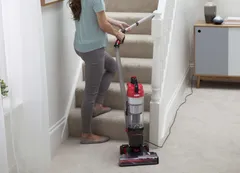
Vax
Vax Mach Air Revive Corded Bagless Upright Vacuum Cleaner
£69.99
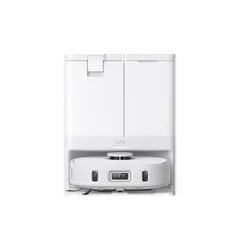
eufy
eufy X10 Pro Omni Robot Vacuum & Mop with All-in-One Station
£429.00
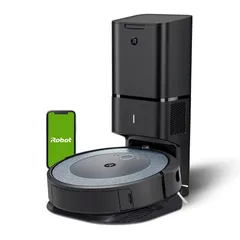
iRobot
iRobot Roomba Combo i5+ Self-Emptying Robot Vacuum and Mop
£589.00
When people search for the best vacuum cleaner for allergies, they're usually really asking whether a HEPA filter is worth paying extra for. The honest answer is: it depends on two things that matter more than the brand on the box — whether the filter is genuinely HEPA-grade, and whether the whole machine is what's called a sealed system. This guide compares vacuum cleaners in our catalogue that document HEPA filtration, from a £89.99 bagged model to a £999.99 robot vacuum, and is upfront about where a manufacturer hasn't confirmed the sealed-system detail that would make the HEPA filter fully effective.
What actually helps: HEPA filtration and sealed systems explained
HEPA stands for High Efficiency Particulate Air filter. Under the European EN 1822 standard, the H13 class used in most consumer vacuum cleaners must capture at least 99.95% of particles at their most penetrating size, which is typically around 0.3 microns — small enough to include dust mite droppings, pollen fragments, mould spores and pet dander, the allergens most commonly linked to household allergy and asthma symptoms. Some manufacturers use the term loosely ("hygienic filter", "washable filter") without independent HEPA certification; where our source data doesn't confirm certified HEPA filtration, this guide says so rather than assuming it.
The filter is only half the story. A HEPA filter only helps if every bit of air the machine pulls in is forced through it before being exhausted back into the room. If there are gaps or poorly sealed joints elsewhere in the machine — around the dust bin, the hose connection or the motor housing — dust-laden air can leak out without ever reaching the filter, undermining the benefit of having a HEPA-rated filter in the first place. Vacuum manufacturers call a machine without these leaks a "sealed system", but not all of them publish whether a specific model qualifies. In our dataset, roughly half of the HEPA-filtered models below have a confirmed sealed system; for the rest, it's genuinely unconfirmed rather than absent, and we've flagged each one individually.
Bagged or bagless: which is better if allergies are a factor?
Both designs can carry a HEPA filter, so this is really a question of how dust is disposed of, not filtration quality. A bagged vacuum captures debris inside a sealed paper or fleece bag that you remove and throw away without opening it, which limits your direct exposure to the fine dust collected during a cleaning session. A bagless vacuum stores dust loose in a clear bin that has to be tipped out over a bin, and doing this carelessly can release a visible puff of fine dust back into the air — the opposite of what someone managing allergies wants. Against that, bagless models have no ongoing bag-replacement cost, and several in this guide (the AEG and Bosch cordless sticks, plus the Dyson and Miele models) are bagless with a sealed HEPA system, so a well-designed bagless machine emptied carefully can perform just as well in practice. If minimising dust disturbance during emptying is your main concern, a bagged model is the more predictable choice; if you want to avoid buying bags, a bagless model with a confirmed sealed system is a reasonable alternative.
Vacuum cleaners for allergies compared at a glance
Prices shown are from the retailer listings captured for this dataset snapshot and should be treated as a starting point, not live pricing.
| Model | Type | UK price (snapshot) | HEPA filter | Sealed system | Notable detail |
|---|---|---|---|---|---|
| Bosch Series 2 ProEco (BGBS2BA1GB) | Bagged canister | £89.99 | Not certified HEPA | Not specified | Cheapest bagged model; "hygienic" filter, not independently HEPA-certified |
| AEG 8000 Series (AP81A25ULT) | Cordless stick | £129.00 | Yes | Yes | Cheapest confirmed sealed-HEPA model; 35-minute runtime |
| Bosch Series 4 ProEco (BGL38BA3GB) | Bagged canister | £199.00 | Yes (UltraAllergy) | Yes | 4-litre bag; 10-year motor guarantee |
| Henry Home (HVR160) | Bagged canister | £199.99 | Yes (HepaFlo bags) | Not specified | Bundled 6-tool kit; quietest bagged model at 68 dB |
| Harry HHR200 | Bagged canister | £201.54 | Yes (E11 HepaFlo) | Not specified | Pet-hair motorised tool; 9-litre bag |
| AEG 7000 Series (AP71UB14GG) | Cordless stick | £249.00 | Yes | Yes | Lightest sealed-HEPA model at 2.2 kg |
| Dyson V12 Detect Slim Absolute | Cordless stick | £399.00 | Yes | Yes | Laser dust detection; 60-minute runtime |
| Bosch Unlimited 10 (BBS1041GGB) | Cordless stick | £449.00 | Yes | Yes | Longest runtime among sticks at up to 80 minutes |
| Dyson 360 Vis Nav | Robot vacuum | £999.99 | Yes | Yes | Only robot vacuum with a confirmed sealed HEPA system |
Two further models are worth knowing about: the Miele Triflex HX2 (£515.14, sealed HEPA Lifetime filter, cordless stick) and the Bosch Serie 8 ProAnimal (BGS7PET) (£339.61, sealed HEPA13 filter, bagless canister with a pet-hair nozzle).
Best sealed HEPA vacuum cleaners for allergies (bagless)
Four cordless models combine a documented HEPA filter with a confirmed sealed system, meaning the HEPA rating should actually apply to the air the machine exhausts, not just the filter media itself. The AEG 8000 Series is the cheapest of the four at £129.00, though its 35-minute runtime is the shortest; the AEG 7000 Series costs £249.00 and is the lightest at 2.2 kg. The Dyson V12 Detect Slim Absolute (£399.00) adds a laser that lights up dust on hard floors, which can help you see whether an area actually needs a second pass. The Bosch Unlimited 10 (£449.00) has the longest runtime of the group at up to 80 minutes, useful if you're vacuuming a larger home in one session rather than emptying and recharging partway through.
Best bagged vacuum cleaners for allergies
If you'd rather not handle a loose dust bin, three bagged canister vacuums in our catalogue document HEPA filtration. The Bosch Series 4 ProEco (£199.00) is the only one of the three with a confirmed sealed system alongside its washable UltraAllergy HEPA filter. Numatic's Henry Home (£199.99) and Harry HHR200 (£201.54) both use HepaFlo self-sealing dust bags, which close automatically as you lift them out, but our data doesn't confirm whether either machine is a fully sealed system beyond the bag itself — treat that as an open question rather than a fault. If budget is the priority, the Bosch Series 2 ProEco at £89.99 is the cheapest bagged option in this guide, but its filter is described by the manufacturer as "hygienic" rather than independently certified HEPA, so it's a reasonable budget pick for general dust rather than a confirmed allergy-specific choice.
Best vacuum for pet allergies and pet dander
Pet dander is one of the more common household allergy triggers, and a few models here are built with pets specifically in mind. The Harry HHR200 ships with a motorised pet-hair tool and E11-rated HepaFlo bags. The euro-priced Bosch Serie 8 ProAnimal (BGS7PET) pairs a HEPA13 filter and confirmed sealed system with a dedicated mini turbo brush for pet hair, though you'll need to check a UK retailer for current GBP pricing. The AEG 8000 Series also carries a pet-hair use-case tag alongside its sealed HEPA filter and is the cheapest of the pet-oriented options at £129.00. None of these claims to remove pet dander that has already settled into soft furnishings, curtains or bedding — regular washing of those items is a separate, necessary step.
Robot vacuums and allergies: worth considering?
Only one robot vacuum in our catalogue has both a documented HEPA filter and a confirmed sealed system: the Dyson 360 Vis Nav at £999.99. Its appeal for allergy sufferers is consistency — a scheduled robot vacuum can run daily on hard floors and low-pile carpet without you having to make time for it, which matters if allergen build-up between cleans is a concern. The trade-offs are real: it's the most expensive machine in this guide, it can't do stairs, upholstery or tight corners the way a stick or canister vacuum can, and it doesn't self-empty its 0.5-litre bin, so someone still has to handle that task regularly. If hands-free daily cleaning appeals to you but budget is tighter, note that AEG's RX9.2 robot also documents a HEPA filter, though our dataset doesn't confirm its sealed-system status and only has a euro price for it.
What a vacuum can't do for allergies or asthma
This article describes vacuum cleaner specifications, not medical advice. A HEPA-filtered, sealed vacuum can reduce how much dust and airborne debris a machine redistributes while you clean, but it can't remove allergens that are already airborne, embedded in mattresses and sofas, or living in curtains and soft toys — those typically need separate steps like high-temperature washing, allergen-proof covers or dehumidifying. No vacuum cleaner, regardless of filtration rating, is a treatment for asthma or diagnosed allergic conditions. If you or someone in your household has ongoing symptoms, a GP, pharmacist or allergy specialist is the right source for advice on managing your specific triggers; this guide can only tell you which machines document the filtration specifications that allergy and asthma charities generally point to as useful.
Which vacuum should I buy? A quick decision guide
- Tightest budget, general dust rather than confirmed allergy filtration: Bosch Series 2 ProEco at £89.99.
- Cheapest confirmed sealed-HEPA system: AEG 8000 Series at £129.00, accepting a 35-minute runtime.
- Prefer bagged disposal with confirmed sealed HEPA: Bosch Series 4 ProEco at £199.00.
- Want a trusted bagged brand with a bundled tool kit: Henry Home at £199.99.
- Have pets and want a motorised pet-hair tool: Harry HHR200 at £201.54, or the euro-priced Bosch Serie 8 ProAnimal if you can source UK pricing.
- Longest cordless runtime: Bosch Unlimited 10 at up to 80 minutes.
- Want hands-free daily cleaning and can spend near £1,000: Dyson 360 Vis Nav, keeping its limitations (no stairs, no self-emptying) in mind.
Data coverage and limitations
This guide covers the vacuum cleaners in our catalogue that document HEPA filtration or are commonly searched alongside allergy-related terms; it isn't a survey of every allergy-marketed vacuum on the UK market. The biggest gap, flagged throughout, is sealed-system data: several models with a confirmed HEPA filter (both Numatic Henry-family machines, for example) don't have a manufacturer-confirmed sealed-system claim in our source data, which doesn't mean the machine leaks — it means we couldn't verify the claim either way and chose not to assume it. Prices are a dataset snapshot rather than live pricing, and two relevant models (Miele Triflex HX2 and Bosch Serie 8 ProAnimal) currently only have euro pricing recorded, so UK buyers should confirm GBP pricing with a current retailer listing before deciding.
Does a HEPA filter vacuum actually help with allergies?
A certified HEPA filter (the EN 1822 H13 class captures at least 99.95% of particles around 0.3 microns) can trap common allergens like dust mite droppings, pollen and pet dander that a standard filter might let straight back into the room. It only works as intended if the machine is also a sealed system, so air can't leak around the filter. It reduces one source of household allergen redistribution; it isn't a treatment for allergies or asthma.
What does 'sealed system' mean on a vacuum cleaner and why does it matter?
A sealed system means every bit of air the vacuum pulls in is forced through the HEPA filter before being exhausted, with no gaps around the bin, hose or motor housing for dust-laden air to escape. A vacuum can have a genuine HEPA filter without being a confirmed sealed system, in which case the filter's benefit may not fully apply to the air actually leaving the machine.
Is a bagged or bagless vacuum better for allergy sufferers?
Both can carry HEPA filtration. Bagged vacuums seal dust inside a disposable bag you never have to open, which limits exposure when emptying; bagless vacuums avoid ongoing bag costs but require careful emptying of a loose dust bin to avoid releasing fine dust. Several bagless models in this guide (AEG, Bosch, Dyson, Miele) pair a bagless design with a confirmed sealed HEPA system.
What is the cheapest vacuum with a HEPA filter?
Among models with confirmed HEPA filtration and a sealed system, the AEG 8000 Series (£129.00) is the cheapest in our catalogue. The Bosch Series 2 ProEco is cheaper at £89.99 but its filter is described as 'hygienic' rather than independently certified HEPA.
Can a robot vacuum help with allergies?
The Dyson 360 Vis Nav is the only robot vacuum in our catalogue with a documented HEPA filter and confirmed sealed system, at £999.99. It can clean hard floors and low-pile carpet on a schedule without effort, but it can't handle stairs or upholstery and doesn't self-empty its bin, so it works best as a supplement to, not a replacement for, a stick or canister vacuum.
What's the best vacuum for pet dander allergies?
Models built with pet hair in mind and documented HEPA filtration include the Harry HHR200 (£201.54, bagged, motorised pet tool), the euro-priced Bosch Serie 8 ProAnimal, and the AEG 8000 Series (£129.00). None of these removes dander already settled into soft furnishings, which needs separate washing or vacuuming with an upholstery attachment.
Should I see a doctor instead of just buying a HEPA vacuum?
A vacuum cleaner is one part of managing household dust, not a substitute for medical advice. If you or a family member has ongoing allergy or asthma symptoms, a GP, pharmacist or allergy specialist can advise on diagnosis and a fuller management plan; this guide only covers vacuum cleaner specifications.