How to Clean a Vacuum Filter (and How Often to Do It)
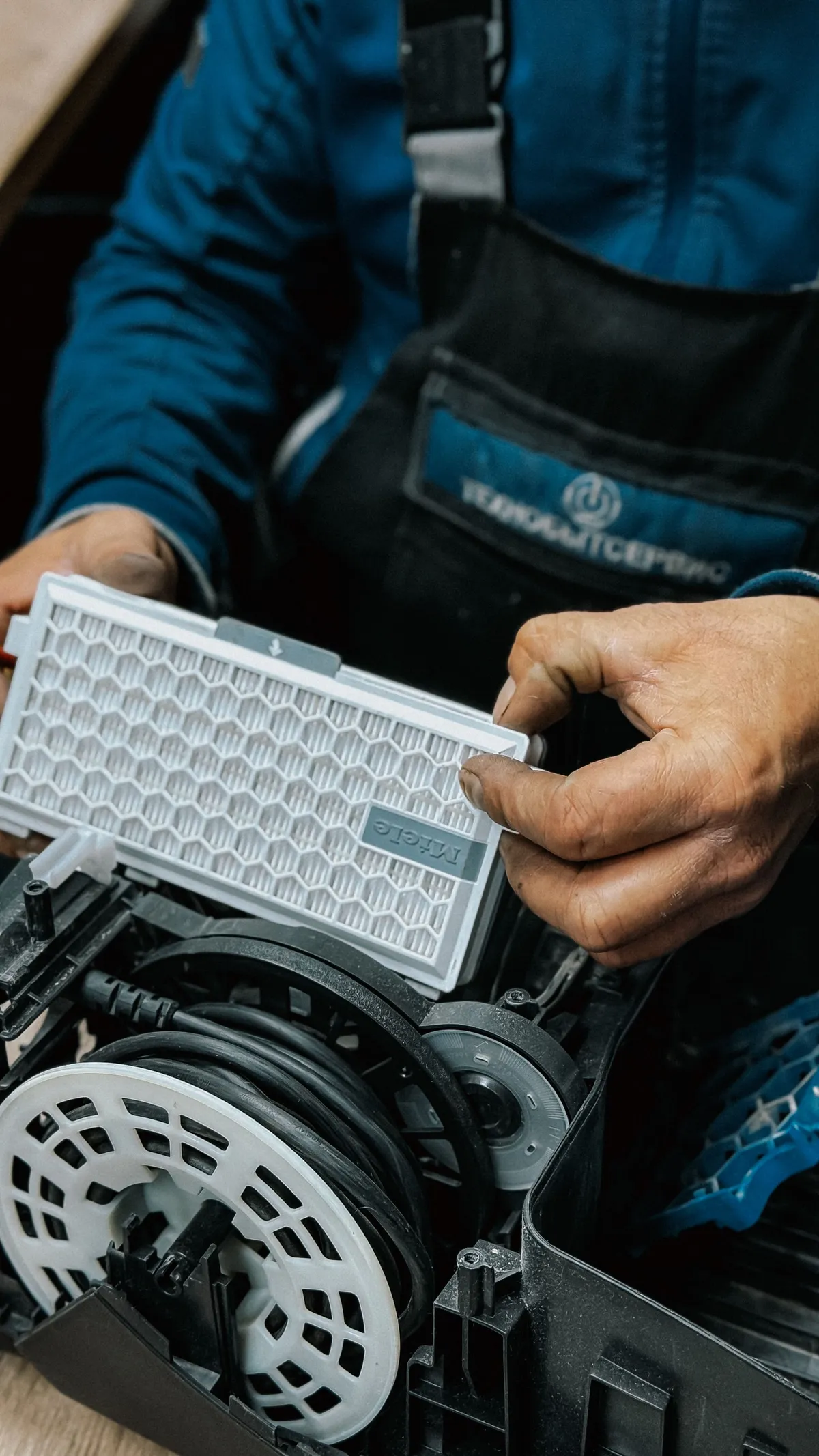
Most vacuum filters can be cleaned by tapping out loose dust and, if the manufacturer allows it, rinsing under cold running water, then air-drying fully for at least 24 hours before refitting. Not every filter is washable, though — some HEPA and foam filters are designed to be replaced rather than cleaned, and fitting a filter back in while it's still damp can damage the motor and cause odours. How often you need to clean or replace a filter depends on the vacuum, how much you use it, and whether you have pets, so always check the manual for your specific model before you start.

A clogged vacuum filter is one of the most common reasons a vacuum loses suction, and it's also one of the easiest problems to fix yourself. Most filters just need tapping out and, if your model allows it, a rinse under cold water — but the exact method, how often you should do it, and whether the filter can be washed at all depends on the type of filter fitted to your vacuum. This guide covers the general steps, then answers the specific questions people usually have once the filter is out: how long it needs to dry, whether HEPA filters can be washed, and when cleaning stops being enough and the filter needs replacing instead.
Check your manual first: not every filter is washable
Before you rinse anything, confirm what type of filter your vacuum actually has. Vacuums typically use one or more of these:
- Washable foam or sponge filters — designed to be rinsed and reused many times.
- Washable HEPA or mesh filters — some HEPA filters are washable, but many are not (more on this below).
- Non-washable HEPA or paper filters — designed to be replaced, not cleaned with water, because wetting them can damage the filter media or the seal.
- Pre-motor and post-motor filters — many vacuums have two separate filters (one before the motor, one after, sometimes an exhaust filter), and they may have different care instructions from each other.
The safest way to confirm which type you have is your vacuum's instruction manual, since manufacturers vary in what they permit. If you no longer have the manual, most manufacturers publish model-specific support pages with filter care instructions, and the filter packaging (if you've bought a replacement) usually states "washable" or "non-washable" directly.
How to clean a washable vacuum filter, step by step
If your manual confirms the filter is washable, the general process is:
- Switch off and unplug the vacuum (or remove the battery on a cordless model) before opening it up.
- Locate and remove the filter. Most sit behind or above the dust bin; consult your manual if you can't find it.
- Tap out loose dust over a bin first. This removes the bulk of dry debris and makes rinsing far more effective, since ground-in dust under running water can clog the filter mesh instead of washing away.
- Rinse under cold running water until the water runs clear. Avoid hot water, washing-up liquid, or other detergents unless your manual specifically says they're safe, since some filter materials can be damaged by heat or chemicals.
- Gently squeeze out excess water — don't wring or twist the filter, which can tear the mesh or foam.
- Leave it to air-dry completely before refitting (see the drying-time section below).
- Refit only once fully dry, and check it's seated correctly so the vacuum keeps its seal.
How to clean a non-washable or foam filter
If your filter isn't washable, or you're not sure, dry-cleaning methods reduce the risk of damage:
- Tap and shake the filter over a bin to dislodge loose dust and debris.
- Use a soft brush (an old toothbrush works well) to loosen dust trapped in the pleats or mesh.
- Vacuum the filter itself with a handheld vacuum or a brush attachment on low suction, if your manual allows it.
- Avoid water entirely on filters marked non-washable — even a light rinse can warp paper-based media or damage the seal that keeps unfiltered air from bypassing the filter.
If dry-cleaning no longer restores suction, that's usually a sign the filter needs replacing rather than further cleaning.
How long does a washable filter need to dry?
Most manufacturers recommend letting a washable filter air-dry for at least 24 hours before refitting it, and some foam filters can take 24–48 hours to dry through fully, while thinner mesh-style filters may dry faster. Leave the filter in a warm, well-ventilated spot — near a radiator or airing cupboard works, but avoid a tumble dryer, hairdryer, or direct heat source, which can warp or melt some filter materials.
This is worth being patient about: refitting a damp filter is one of the more common vacuum-maintenance mistakes. A wet filter can restrict airflow (cutting suction even more than a dirty one), encourage mould or musty odours inside the machine, and in some cases put extra strain on the motor. If you're not sure it's fully dry, press it gently against a dry paper towel — any dampness that transfers means it needs more time.
Can you wash a HEPA vacuum filter?
It depends on the specific filter — there's no single answer that applies to every HEPA filter. Some vacuum manufacturers make washable HEPA filters that are designed to be rinsed periodically and reused; others use sealed or paper-based HEPA filters that are not washable and must be replaced when they're dirty or at the end of their rated life. Washing a filter that isn't designed for it can damage the dense filter media that allows HEPA filters to trap very fine particles, effectively reducing how well it filters even if it looks clean afterwards.
Check your vacuum's manual or the filter's own packaging for "washable" or "non-washable" before you rinse a HEPA filter. If in doubt, treat it as non-washable and use the dry-cleaning steps above instead, or contact the manufacturer to confirm.
How often should you clean a vacuum filter?
As a general starting point, many manufacturers suggest cleaning a washable filter roughly once a month, though this varies by brand, model, and how much the vacuum is used. You'll likely need to clean it more often than that if:
- You have pets that shed, since pet hair and dander tend to clog filters faster than household dust alone.
- You vacuum several times a week rather than occasionally.
- You have allergies or asthma and want to keep filtration performance as consistent as possible.
- You notice reduced suction before your usual cleaning interval comes round — a drop in suction is often the clearest sign a filter needs attention, regardless of the calendar.
If you're comparing vacuums specifically for pet hair, filter maintenance frequency is worth weighing alongside bin size and suction — our best vacuum cleaner for pet hair guide covers models by these kinds of practical, ongoing-maintenance factors rather than price alone.
How often should you replace a vacuum filter?
Cleaning and replacing are different maintenance tasks, and even a washable filter won't last forever. General guidance from manufacturers and filter suppliers suggests washable filters are typically replaced every 6–12 months, while non-washable filters are usually replaced on a similar or sometimes shorter schedule, depending on the model and how heavily it's used. Replace a filter (rather than continuing to clean it) once any of the following happens:
- It's torn, frayed, or visibly damaged.
- It no longer looks like it's coming clean even after washing or brushing.
- Suction stays weak even after a proper clean.
- It's reached the manufacturer's stated replacement interval or number of wash cycles, if one is specified.
- It smells musty even after drying fully, which can indicate mould has set into the material.
If allergy relief is a priority in your household, our guide to vacuums for allergies covers filtration considerations beyond just cleaning schedule, including how filter type and seal quality affect performance.
Signs your filter needs attention now
Rather than waiting strictly for a fixed schedule, watch for these signs that a filter needs cleaning or replacing sooner than planned:
- Noticeably reduced suction, even on a freshly emptied bin
- A burning or musty smell when the vacuum is running
- Visible dust build-up on the filter surface between scheduled cleans
- The vacuum cutting out or overheating during use, which some models do as a protective response to restricted airflow
If you've cleaned the filter properly and suction still hasn't improved, the cause may not be the filter at all — a blocked hose, full bin, or worn belt can produce similar symptoms. Our guide on why a vacuum cleaner has lost suction walks through the other common causes to check.
What happens if you skip filter cleaning
A neglected filter doesn't just mean weaker suction. As airflow through a clogged filter drops, the motor can end up working harder to pull air through, which on some vacuums leads to overheating and automatic shutoffs designed to protect the motor. On bagless vacuums in particular, a dirty filter is one of the most common causes of the vacuum blowing dust back into the room instead of trapping it, since a clogged filter forces unfiltered air to find another way out. Regular filter maintenance is a small part of a wider vacuum care routine — see our general guide to vacuum cleaner maintenance for the other basics worth doing alongside it, like emptying the bin regularly and checking the brush roll for tangled hair.
If you're weighing up a new vacuum and want to avoid frequent filter hassle altogether, filter accessibility and washability are worth checking on the spec sheet before you buy — you can compare bagless vacuum cleaners or browse the full range on the homepage by filtration type, brand, and budget.
Can you wash a vacuum filter with soap?
Generally, no — most manufacturers recommend rinsing washable filters with cold water only, without washing-up liquid or other detergents, since some cleaning products can damage the filter material or leave a residue that affects airflow. The standard method is to tap out loose dust first, rinse under cold running water until it runs clear, then gently squeeze out excess water without wringing or twisting, which can tear the mesh or foam. Check your specific manual, as a small number of models may permit a mild detergent, but hot water and chemicals should be avoided unless the manual specifically says they're safe for that filter material.
How long should a vacuum filter dry before you put it back in?
Most manufacturers recommend at least 24 hours of full air-drying, and some foam filters can take 24–48 hours to dry all the way through, while thinner mesh-style filters may dry faster. Refitting a damp filter can restrict airflow and cut suction even further, encourage mould or musty odours inside the machine, and in some cases strain the motor. Leave the filter in a warm, well-ventilated spot such as near a radiator, but avoid a tumble dryer, hairdryer, or direct heat source, which can warp or melt some filter materials. If you're unsure whether it's fully dry, press it against a dry paper towel — any dampness that transfers means it needs more time.
Can you wash a HEPA vacuum filter?
Some HEPA filters are washable and some are not — it depends on the specific filter design, so check your vacuum's manual or the filter packaging before rinsing one. Washing a filter that isn't designed to be washed can damage the dense material that gives HEPA filters their fine-particle filtration, even if it looks clean afterwards. If you're unsure, it's safer to treat the filter as non-washable and use dry-cleaning methods instead — tapping it out, brushing gently with a soft brush, or vacuuming it on low suction with a handheld attachment — rather than risk rinsing a filter that was designed to be replaced rather than cleaned with water.
How often should you clean a vacuum filter?
A common general guideline is roughly once a month for washable filters, but this varies by manufacturer, model, and usage. Pet owners, frequent vacuum users, and allergy-sensitive households often need to clean the filter more often than that, since pet hair, dander and frequent use all clog a filter faster than occasional household dust. A drop in suction is usually a more reliable signal than the calendar — if cleaning performance falls off before your usual interval comes round, that's the clearer cue to check the filter rather than waiting for a fixed monthly date, regardless of what a general guideline suggests.
How often should you replace a vacuum filter instead of just cleaning it?
General guidance suggests replacing washable filters roughly every 6 to 12 months and non-washable filters on a similar schedule, though this varies significantly by brand and model. Replace a filter sooner if it's torn or damaged, no longer comes clean after washing or brushing, still smells musty even after drying fully (which can indicate mould has set into the material), or suction stays weak even after a proper clean following the full 24-hour-plus drying period. Cleaning and replacing are different maintenance tasks, and even a washable filter won't last forever regardless of how carefully it's cared for between washes.
What happens if you use a vacuum with a dirty filter?
A clogged filter restricts airflow, which typically reduces suction, can make the motor work harder and potentially overheat, and on some bagless vacuums can cause dust to blow back out into the room instead of being trapped, since blocked air has to find another way out. Some vacuums are designed to shut off automatically if airflow is restricted enough, as a protective response to protect the motor. If cleaning the filter properly doesn't restore suction afterwards, the cause may not be the filter at all — a blocked hose, full bin, or worn belt can produce similar symptoms and are worth checking next.