Robot Vacuum vs Regular Vacuum: Which One Fits Your Home?
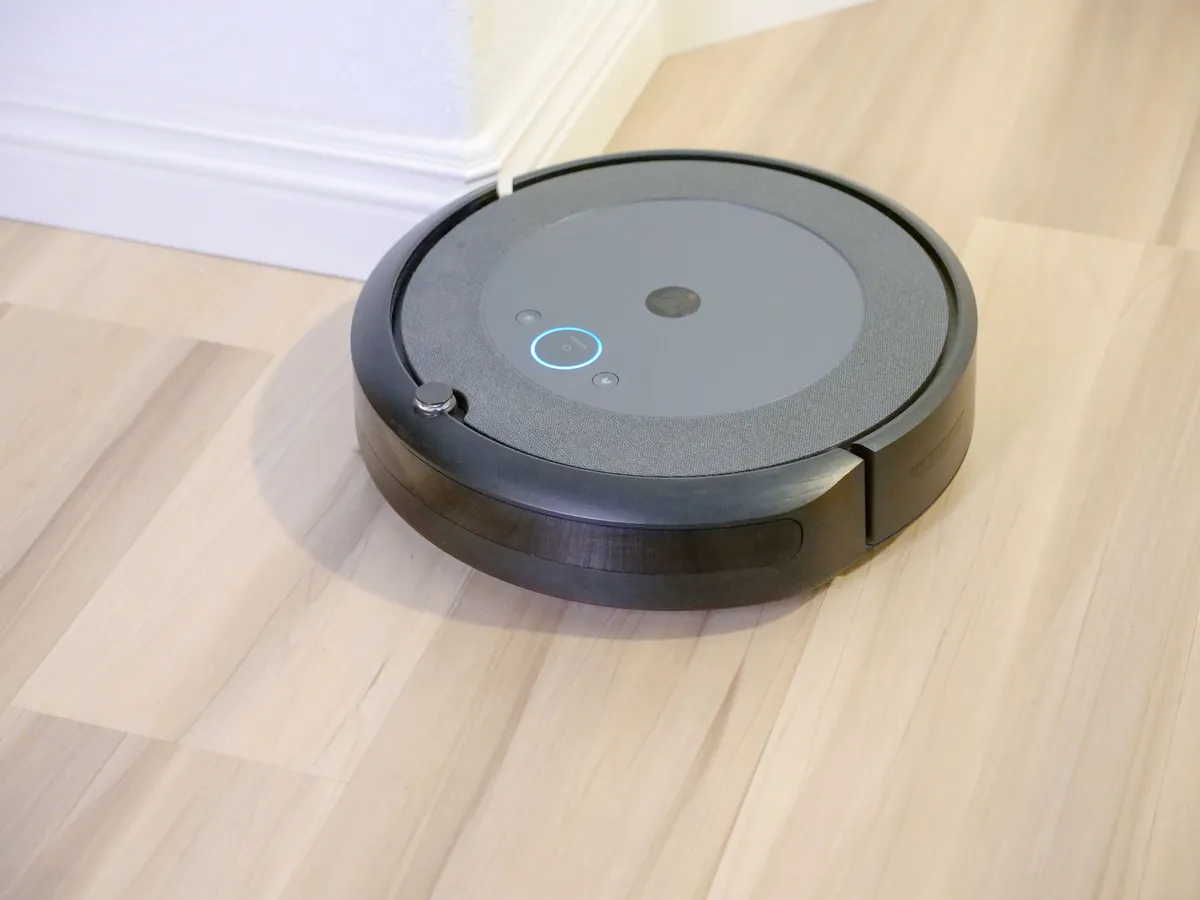
A robot vacuum and a regular vacuum solve different problems: robot vacuums handle light, frequent maintenance cleaning on their own, while upright and canister vacuums deliver stronger suction for deep cleans, edges, stairs and thick carpets. Most homes with carpets, pets, stairs or allergy concerns still benefit from keeping a regular or cordless vacuum alongside a robot vacuum rather than replacing it outright.
Data last updated:
Robot vacuums and regular vacuums aren't really competing for the same job. A robot vacuum is designed to clean small amounts of dust and debris automatically, on a schedule, without you holding anything. A regular vacuum — upright or canister — is designed for you to actively clean, with stronger suction and more control over pressure, attachments and awkward spots. Comparing them on suction power alone misses the point: the real question is which combination of automation, cleaning power and effort suits how you actually live.
How robot vacuums and regular vacuums actually differ
| Robot vacuum | Regular vacuum (upright/canister) | |
|---|---|---|
| Operation | Automatic, scheduled, low-profile design | Manual, pushed or carried by hand |
| Suction power | Generally lower than full-size models, built for surface maintenance | Higher, built for deep cleaning and ground-in dirt |
| Coverage | Floors only, within mapped or sensor-navigated areas | Floors, upholstery, curtains, cars, stairs, with attachments |
| Stairs | Cannot climb stairs unmapped between floors | Handles stairs directly |
| Dustbin size | Small, needs emptying often (some models self-empty to a base station) | Larger capacity, fewer empties per session |
| Ongoing effort | Low day-to-day effort, but requires floors kept clear of clutter and cables | Higher effort per session, no route-planning needed |
| Maintenance | Brush roll, sensors, filters and dock need regular cleaning | Bags/bins, filters and brush roll need regular cleaning |
A robot vacuum's strength is frequency: cleaning little and often keeps dust and hair from building up between deeper cleans. A regular vacuum's strength is intensity: stronger airflow and direct control get more out of carpets, edges and upholstery in a single pass.
Can a robot vacuum fully replace a regular vacuum?
For some households, yes, particularly single-level flats with mostly hard floors, light foot traffic and no stairs. But for most UK homes, a robot vacuum works best as a supplement rather than a straight swap. Regular vacuums still generally out-perform robot vacuums on:
- Deep carpet cleaning. Thicker pile carpets and rugs benefit from the higher suction and agitation of an upright or canister vacuum.
- Stairs. Robot vacuums cannot clean stairs on their own; if stairs are part of your home, see our guide on whether robot vacuums can clean stairs for how people typically handle this.
- Edges, corners and upholstery. Robot vacuums navigate around furniture and skirting boards but rarely match a handheld nozzle pressed directly into a corner or sofa seam.
- Clutter-heavy or cable-heavy rooms. Robot vacuums need reasonably clear floors to navigate reliably; homes with a lot of loose cables, toys or low furniture legs can cause them to get stuck or skip areas.
A common realistic pattern is a robot vacuum handling daily or every-other-day maintenance on open floor areas, with a regular or cordless vacuum used weekly (or as needed) for carpets, stairs, edges and spot cleaning.
Robot vacuum advantages and disadvantages
Advantages
- Cleans on a schedule without you needing to be home
- Keeps floors maintained between deeper cleans, useful for pet hair and dust that builds up daily
- Low physical effort; useful for anyone who finds pushing a heavy vacuum difficult
- Many models pair with an app for scheduling and, on higher-end models, room mapping — see our guide on robot vacuum mapping and navigation for how this works and what it does and doesn't cover
Disadvantages
- Cannot climb stairs or clean multiple floors without being moved or having a unit per floor
- Smaller dustbins mean more frequent emptying unless the model self-empties to a base station
- Struggles with cables, loose objects, thick rugs and tight furniture legs
- Charging and docking issues can interrupt cleaning; our guide on what to do when a robot vacuum won't charge covers common causes
- Replacement brushes, filters and sensors wear over time and need restocking, as covered in our guide on robot vacuum replacement parts
- Generally weaker suction than a full-size vacuum, so it's not a substitute for a deep clean
Regular vacuum advantages and disadvantages
Advantages
- Stronger suction, better suited to thick carpets, ground-in dirt and pet hair embedded in fibres
- Direct control over pressure and attachment choice for stairs, upholstery, curtains and cars
- No reliance on navigation sensors, Wi-Fi or app connectivity
- Typically larger dustbins or bags, meaning fewer empties per clean
Disadvantages
- Requires you to physically push, carry and manoeuvre the machine each time
- No automatic scheduling; cleaning only happens when you do it
- Corded uprights are limited by cable reach; canister vacuums can be heavier to carry between floors
- Storage can be bulkier than a robot vacuum's dock
Robot vacuum or cordless vacuum: where cordless fits in
Cordless stick vacuums sit between the two categories. Like a robot vacuum, they're compact and don't rely on a mains cable while in use, which makes them convenient for quick clean-ups and stairs. Like a regular vacuum, they're manual, so you get direct control over suction and reach, and generally stronger performance on carpets than a robot vacuum.
The trade-off is battery run time: cordless models run on a charge that typically limits how much floor area you can cover in one session, particularly on the highest suction setting, which matters more in larger homes. If your main frustration is having to push a heavy corded vacuum around, a cordless model may solve that without giving up manual control. If your main frustration is having to vacuum at all on a regular basis, a robot vacuum addresses that instead. Some households end up using both: a robot vacuum for daily maintenance and a cordless vacuum for stairs, upholstery and quick top-ups.
Are robot vacuums worth it? Matching the choice to your home
Whether a robot vacuum is worth it depends on your layout, floor types and how much manual vacuuming you're trying to avoid, not on the device in isolation.
- Pets. A robot vacuum running daily can reduce the build-up of loose hair on hard floors and low-pile rugs between deeper cleans with a regular or cordless vacuum, which still handles embedded hair in thicker carpet better.
- Allergies. Frequent automated cleaning can help limit dust accumulation, but filtration quality varies by model; check a model's filter type and dustbin/dock hygiene requirements rather than assuming all robot vacuums perform the same on airborne allergens.
- Stairs. A robot vacuum alone won't cover stairs; pair it with a lightweight cordless or regular vacuum, or a handheld unit, for that job.
- Small flats. A single-level flat with mostly hard floors and few obstacles is where a robot vacuum can realistically do most of the routine cleaning, with a lightweight cordless vacuum for occasional deeper cleans.
- Large homes. Larger, multi-room or multi-floor homes usually need either multiple robot vacuum units or acceptance that the robot only covers part of the home, with a regular or cordless vacuum handling the rest, including stairs.
Upkeep to plan for before you buy
Both categories need routine upkeep, but the type of upkeep differs. Regular vacuums need bags or bins emptied, filters cleaned or replaced, and brush rolls kept clear of hair. Robot vacuums add a few extra tasks: keeping the charging dock's contacts clean, clearing hair from brushes and wheels, and periodically checking sensors so navigation doesn't degrade. If a unit won't return to its dock or stops charging, that's usually a maintenance or placement issue rather than a fault — see the linked charging guide above before assuming a replacement is needed.
A simple way to decide
If you want less manual effort and mostly have open, hard-floor areas, a robot vacuum earns its place, ideally alongside a lightweight cordless or regular vacuum for stairs, carpets and edges. If your home is carpet-heavy, multi-level, or often cluttered, a regular or cordless vacuum should stay your primary tool, with a robot vacuum as an optional add-on for maintenance cleaning rather than a full replacement.
Do I still need a regular vacuum if I buy a robot vacuum?
In most homes, yes. Robot vacuums are effective for frequent, light maintenance cleaning on floors they can reach, but a regular or cordless vacuum is still generally better for deep carpet cleaning, stairs, upholstery and tight edges.
Are robot vacuums worth it for a small flat?
A small, mostly hard-floor flat with few obstacles is one of the scenarios where a robot vacuum can realistically handle most routine cleaning, though a lightweight cordless or handheld vacuum is still useful for stairs, upholstery or spot cleaning.
Is a robot vacuum or a cordless vacuum better for pet hair?
Both can help. A robot vacuum run frequently limits daily build-up on hard floors and low-pile rugs, while a cordless vacuum with strong suction is generally better at lifting hair embedded in thicker carpet or upholstery. Many pet owners use both.
Can a robot vacuum clean stairs?
No. Robot vacuums cannot climb or descend stairs on their own. If stairs are part of your home, you'll need a separate vacuum, such as a cordless or handheld model, for that job.
What's the main disadvantage of a robot vacuum compared with a regular vacuum?
Robot vacuums generally have lower suction power and smaller dustbins than full-size regular vacuums, and they can't reach stairs, thick clutter, or tight upholstery corners as effectively.